
Managing diabetes is more than just controlling blood sugar. It requires a full approach to health, which involves good wound healing too. For people with diabetes, even small wounds can turn into big problems and affect their quality of life. By knowing the special challenges that diabetes brings to wound healing, people can take steps toward better health.
Initial Steps in Diabetic Wound Care
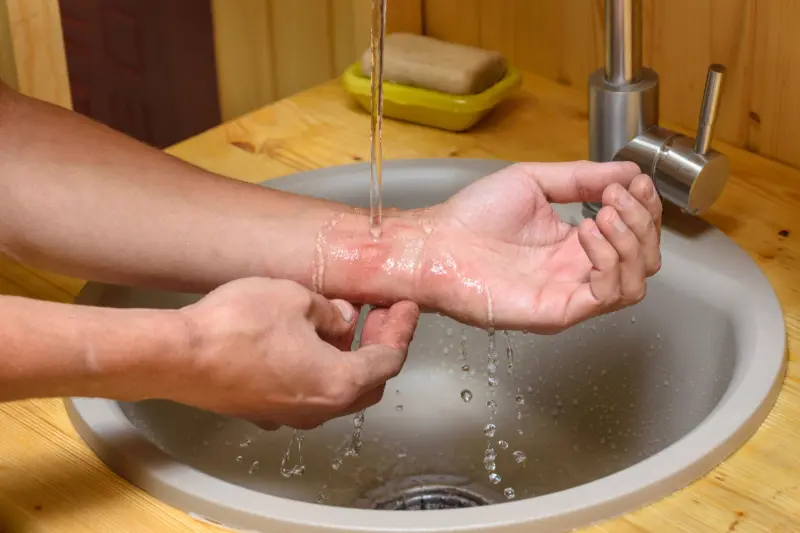
Prompt and proper care is important when a person with diabetes gets a wound. First, gently clean the wound with mild soap and water. Then, pat it dry. It’s also a good idea to put on an antibiotic ointment to help prevent infection. Next, keep the wound covered with a clean bandage. The type of bandage and care depends on the size and place of the wound.
Common signs of infection include redness, swelling, warmth, and pain near the wound site. Sometimes, pus or drainage may come out. A bad smell from the wound can also mean bacteria are present, and this should not be ignored. Deep wounds that are bigger than a dime or bleed too much need to be looked at by a doctor right away. Wounds that do not get better in a week or heal slowly also need a medical check.
Advanced Wound Care Treatments
Managing diabetic wounds may require special treatments. These advanced treatments focus on speeding up the healing process, stopping infections, and dealing with other related issues. They are different from regular bandages since they offer more than just covering the wound; they help balance moisture at the wound site, prevent infections and lower the risk of complications, and may stimulate cell growth. Maintaining the right moisture level in the wound bed helps cells move and tissues to regenerate. If the wound bed is too dry, healing can slow down and raise the risk of infection. Too much moisture can also be harmful because it softens the surrounding skin and allows bacteria to grow.
Role of Nutrition in Wound Healing
Nutrition is crucial for healing wounds, especially for people with diabetes. Certain key nutrients are necessary for wound healing: Protein, for example, helps build new tissue and repairs damage. Vitamin C protects cells from damage caused by free radicals, which can slow down healing, and helps make collagen, which supports wounds. Zinc is needed for cell growth and division, helps the immune system, makes collagen, and keeps skin healthy. Additionally, making diet changes, such as eating foods with a low glycemic index (GI) or foods with antioxidants can help control blood sugar and improve wound healing. Staying hydrated is key for keeping skin flexible, helping cells to renew, and encouraging good wound healing.
Modern Technologies in Diabetic Wound Management
There are non-invasive therapies that help healing, along with advanced imaging methods that give accurate checks on wounds. Hyperbaric oxygen therapy (HBOT) can improve blood flow, promote growth factors, and enhance the quality of life for those affected. It also helps fight infections, lowers the chance of amputations, and speeds up the healing process. Laser therapy, also called low-level laser therapy (LLLT), is a safe, painless, and non-invasive way to treat diabetic foot wounds. It uses specific light wavelengths on the injured area, which helps activate cell functions and supports healing.
Surgical Interventions for Chronic Diabetic Wounds
Chronic wounds that do not get better with treatments often need surgery. If there is a lot of dead tissue present, surgical debridement can help. If antibiotics are ineffective in removing infections, surgery might be necessary to fix the source of the problem. Chronic wounds caused by peripheral arterial disease (PAD) may need angioplasty or bypass surgery to increase blood flow.
Diligent care after surgery is paramount for healing well and reducing the risk of infection in patients with chronic diabetic wounds. While recovering, keep the surgical area clean and dry. Follow the healthcare provider’s advice about changing dressings and taking care of the wound. Regular follow-up visits ensure the medical team can check how well the wound is healing, solve any issues, and change the care plan if needed.
Managing Pain Associated with Diabetic Wounds
Managing pain from diabetic wounds can help improve comfort, sleep, and overall health. Over-the-counter pain relievers, like acetaminophen or ibuprofen, help with mild to moderate pain relief. If the pain is more severe, a doctor may prescribe stronger medicine, such as opioids. Topical pain relievers, like lidocaine patches or creams, can help by numbing the wound site, which reduces the pain that goes to the brain. Some medications, like antidepressants and anticonvulsants, work well for nerve pain linked to diabetic neuropathy.
There are some alternative therapies that can help with pain. Acupuncture, for example, stimulates nerve fibers and releases endorphins, and can lower pain linked to diabetes and its effects. Transcutaneous electrical nerve stimulation (TENS) therapy uses low-voltage electrical currents to ease pain. Electrodes are placed on the skin near the painful spot and send electrical impulses that interrupt pain signals, promoting the release of endorphins.
Carolina Regional Orthopaedics, P.A.
If you are seeking personalized help with diabetic wound care, look no further than Carolina Regional Orthopaedics. Our expert orthopedics will work with you to figure out strategies for managing your injuries. By following prevention steps closely, you’ll help your wound heal and prevent infection. Reach out to us today at 252-443-0400.