
Orthopedic Surgical Care at Carolina Regional Orthopaedics


Where is Your Pain?




Request Appointment
ARE YOU EXPERIENCING CHRONIC JOINT PAIN THAT IS IMPACTING YOUR QUALITY OF LIFE?
Joint pain can bother you during everyday tasks and hurt your quality of life. Conditions like arthritis, injuries, and wear and tear over time can lead to severe joint discomfort. While many people begin to experience joint pain as they age, unfortunately, it is not limited to older people.
Chronic conditions, disease, or injury can strike at any age, leading to joint pain that can create debilitating pain and limit your daily activities. You don’t have to suffer from joint pain or conditions and miss out on the pleasures of life. We offer surgical and nonsurgical joint treatments tailored to your specific needs.
Our joint specialists at Carolina Regional Orthopaedics understand the challenges associated with joint pain. We have successfully treated many Rocky Mount, NC, patients with a tailored approach for lasting treatment.
Contact us if you need joint pain treatment or suspect you might need joint replacement surgery or other nonsurgical treatments, like stem cell injections or physical therapy. Our orthopedic team first develops a comprehensive treatment plan specifically for your joint issues, only resorting to surgery if other treatments have failed to mitigate your pain.
WHAT IS JOINT REPLACEMENT SURGERY?
When cartilage in pivotal points where two or more bones converge, such as the knee, hip, and shoulder, wears down it causes joint pain. Joint replacement surgery, also known as arthroplasty, is a medical procedure performed by orthopedic surgeons to replace a deteriorated and damaged joint with a prosthetic implant, thereby restoring mobility and alleviating pain caused by joint diseases such as arthritis.
Joint replacement surgery is typically recommended when non-surgical, conservative treatments like medications and physical therapy no longer provide relief of symptoms of joint disease, such as severe arthritis. The number one qualifier for surgery is when the patient experiences significant pain and mobility issues that affect their quality of life.
These prosthetic implants are usually made of durable materials such as metal, plastic, or ceramic, designed to mimic the function of a natural joint. Occasionally, the surgeon may opt to repair or replace only the impaired sections rather than the entire joint.
The most common joints that undergo replacement surgeries include the knees, hips, and shoulders. The main goal of the procedure is to improve joint function, reduce pain, and enhance the overall quality of life for individuals suffering from severe joint conditions.
WHAT ARE THE COMMON JOINT CONDITIONS THAT REQUIRE SURGERY?
Several joint conditions can necessitate joint replacement surgery, including osteoarthritis, rheumatoid arthritis, post-traumatic arthritis, and severe bone fractures that compromise joint function. Anyone suffering from one of these conditions knows how pain joints can feel.
Osteoarthritis is a degenerative joint disease that results from wear and tear on the joint’s cartilage over time, causing pain, stiffness, and decreased mobility. Rheumatoid arthritis, on the other hand, is an autoimmune condition where the body’s immune system attacks the joints, leading to inflammation, swelling, and deformity.
Post-traumatic arthritis develops after a joint injury or fracture, accelerating the breakdown of cartilage and causing pain and limited movement. Severe bone fractures that affect the joint can also lead to joint degeneration and dysfunction, necessitating surgical intervention to restore function and alleviate pain.
Benefits of Joint Replacement Surgery
Pain relief: By replacing the damaged joint with a prosthetic implant, we can alleviate the pain caused by arthritis or an injury, enabling you to get back to living without the constant discomfort that frequently comes with joint pain.
Improved mobility: Joint replacement can help you regain the mobility you may have lost due to joint damage, whether it’s walking, climbing stairs, or participating in your favorite sports.
Enhanced quality of life: Simple tasks that were once difficult or impossible become manageable again, allowing you to maintain your independence and enjoy life to the fullest.
Long-term results: Modern joint replacement implants are designed to last many years, providing long-term relief and functionality. You’ll be surprised to find how much these surgical techniques and materials have advanced in recent years. Make sure to reach out for an initial consultation today and our Joint Replacement Team will be here to help answer all of your questions about joint replacement.
Quick recovery: With minimally invasive surgical techniques and comprehensive post-operative care, many patients experience faster recovery times.
MOST REQUESTED JOINT SURGERIES AT CRO
While we have many joints in the body, certain joints face the most stress, to the point that surgery may become necessary. Here is a quick look at the most common types of joint replacement surgeries performed by our Orthopedic Surgeons here at CRO, located in Rocky Mount, NC.
HIP REPLACEMENT
Hip replacement surgery, also known as hip arthroplasty, can help to alleviate stubborn, chronic hip pain and help you restore mobility when you’ve run out of other options. The two primary types of hip surgeries we perform are total hip replacement and partial hip replacement. Your team of hip specialists, led by Dr. Kemker, will determine which treatment is best for you following a thorough examination.
- Total hip replacement involves replacing both the ball (femoral head) and socket (acetabulum) of the hip joint with prosthetic components. This procedure is typically recommended for patients with severe arthritis or extensive joint damage.
- Partial hip replacement, on the other hand, involves replacing only the femoral head. This surgery is often performed in hip fractures where the socket remains intact.
The recovery time for hip replacement surgery varies depending on several factors, including the patient’s overall health, the type of surgery performed, and whether or not the patient sticks to post-operative rehabilitation. Generally, patients can expect a hospital stay of one-to-three days following the procedure. Full recovery, including the return to normal activities and strengthening of the hip muscles, may take three-to-six months.
Our orthopedic team promotes rehabilitation through physical therapy during the recovery process for the best outcome. PT helps to restore physical strength and flexibility to the joint. Plus, working with a physical therapist may help patients do their exercises with accountability.
Learn More About Hip Replacement Surgery >
KNEE REPLACEMENT
Knee replacement surgery is for people suffering from chronic knee pain and mobility issues due to arthritis or injury. There are many types of knee replacement surgeries, each designed to address the unique needs of our patients, but the two main types are total knee replacement and partial knee replacement.
- Total knee replacement involves replacing the entire knee joint with a prosthetic implant. This procedure is typically recommended for patients with severe arthritis or extensive joint damage that affects the entire knee.
- Partial knee replacement focuses on only the damaged areas of the knee. This option is great when the damage is confined to one knee compartment, often resulting from localized arthritis or injury.
Initial recovery, which includes regaining the ability to walk with assistance and reducing pain, typically takes about four-to-six weeks. Full recovery, which encompasses regaining full mobility, strength, and function, can take around three-to-six months.
Learn more about Knee Replacement Surgery >
SHOULDER REPLACEMENT
Shoulder replacement surgery replaces the damaged parts of the shoulder joint with artificial components, which can enhance shoulder function and relieve chronic pain caused by joint damage. Joint replacement happens as a result of arthritis deteriorating the joint, or if a tear is too large to repair.
- Total shoulder replacement replaces the ball and socket of the shoulder joint with artificial components.
- Partial replacement involves only replacing the ball.
- Reverse should replacement is often recommended for patients with severe arthritis and rotator cuff damage.
Learn more about Shoulder Replacement Surgery >
JOINT CONDITIONS FREQUENTLY TREATED
BURSITIS OF THE JOINT
Bursitis is a painful condition that occurs when the bursae, small fluid-filled sacs that cushion the bones, tendons, and muscles near the joints, become inflamed. Joint replacement surgery is a treatment option in severe cases where chronic inflammation leads to significant joint damage and pain.
Joint replacement surgery for bursitis involves removing and replacing the damaged joint surfaces with prosthetic components. This procedure not only addresses the immediate pain and inflammation caused by bursitis but also resolves the underlying joint issues that contribute to chronic bursitis. By replacing the affected joint, the surgery eliminates the damaged bursa and the source of chronic inflammation, providing long-term relief from pain and restoring joint function.
Osteoarthritis
Osteoarthritis is a degenerative joint disease characterized by the breakdown of cartilage, the protective tissue at the ends of bones that facilitates smooth joint movement. This condition leads to pain, stiffness, and reduced mobility, significantly impacting the quality of life. When conservative treatments such as medications, physical therapy, and lifestyle modifications fail to alleviate symptoms, joint replacement surgery becomes a highly effective treatment option. At Carolina Regional Orthopaedics, our team specializes in advanced joint replacement procedures to address the debilitating effects of osteoarthritis.
Osteoarthritis commonly affects weight-bearing joints such as the hips, knees, and spine, but it can also occur in the hands and feet. As the cartilage deteriorates, bones rub against each other, causing pain, swelling, and further damage. Joint replacement surgery is considered when the damage is severe and the patient’s daily activities are significantly impaired.
Joint Dislocation
Joint dislocation occurs when the bones in a joint are forced out of their normal positions, often resulting from trauma, such as falls, accidents, or sports injuries. It can cause severe pain, swelling, and immobility, and if left untreated, it can lead to chronic instability and damage to the joint.
Joint replacement surgery for dislocation involves removing and replacing the damaged joint structures with prosthetic components. This approach is particularly beneficial for joints that have suffered extensive damage due to multiple dislocations, leading to chronic pain and instability. Common joints that may require replacement due to dislocation include the shoulders, hips, and knees.
Bone Fractures
Bone fractures, particularly in weight-bearing joints like the hips, can have a devastating impact on mobility and overall quality of life. Fractures can be treated with conventional methods such as casting, bracing, or surgical fixation, but severe fractures usually require joint replacement surgery to restore full function and alleviate pain. At Carolina Regional Orthopaedics, we specialize in advanced joint replacement procedures to effectively treat complex bone fractures, especially hip fractures.
Hip fractures are among the most serious types of bone fractures. They are particularly common in older adults due to osteoporosis and falls. If not treated promptly and effectively, hip fractures can lead to significant pain, immobility, and complications. In cases where the fracture is severe or involves multiple parts of the hip joint, total or partial hip replacement surgery may be necessary.
Total hip replacement surgery for hip fractures involves replacing the damaged femoral head and acetabulum (the socket of the hip joint) with prosthetic components. We typically recommend this procedure when the fracture has caused extensive damage to the joint surfaces, making it impossible to achieve a stable repair through other methods. Partial hip replacement, or hemiarthroplasty, involves replacing only the femoral head. This is often performed when the acetabulum is intact and the primary damage is confined to the femoral head.
IS IT TIME TO GET HELP WITH YOUR JOINT PAIN?
Our expert orthopedic surgeons and specialists are highly skilled in diagnosing and treating joint problems, using the latest techniques and technologies to ensure optimal outcomes. We aim to restore your mobility and reduce pain, allowing you to return to your daily activities with ease.
We want to help you overcome joint pain whether through surgery or nonsurgical methods; our dedicated team is here to support you every step of the way.
Ready to schedule your shoulder evaluation? Call (252) 443-0400 today or use our online appointment form.
Request an Appointment Online
Carolina Regional Orthopaedics, PA allows you to easily schedule an appointment online 24 hours a day, so you can continue your day with little disruption.
Our Providers
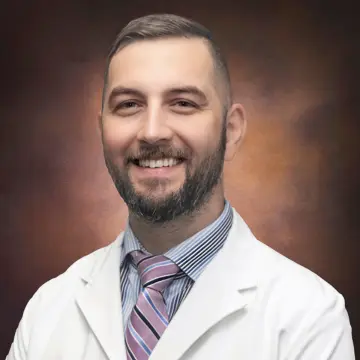
At Carolina Regional Orthopaedics, PA, all of our providers are Board Certified Orthopedic Surgeons or

Bernard P. Kemker, MD

Glenn E. MacNichol, MD

Robert C. Martin, DO

Mark N. Perlmutter, MS, MD

Morgan M. Batchelor, PA-C

VanTreia M. Gross, PA-C

Paul Kelley, PA-C

William J. Mayo, PA-C

Our Locations

Orthopedics Rocky Mount
Carolina Regional Orthopaedics, PA
Mon-Thurs
Address:
110 Patrick Ct, Rocky Mount, NC 27804
Hours:
Monday- Thursday: 8 AM - 6 PM
Closed
Friday - Sunday
Phone: 252-443-0400
Fax: 252-443-0572
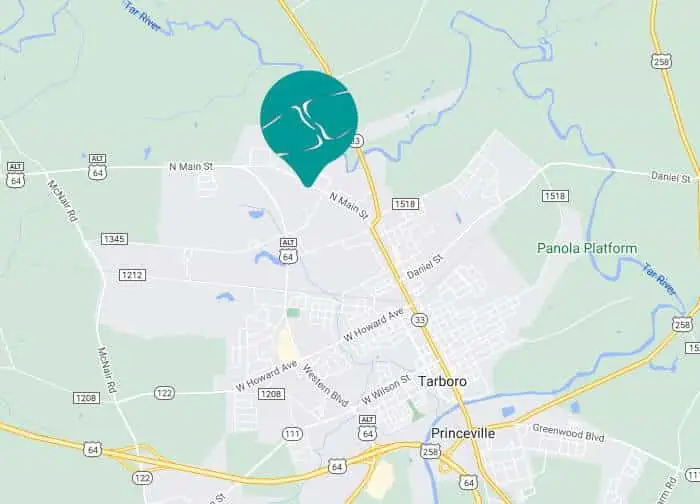
Pain Management Clinic Tarboro
Carolina Regional Orthopaedics, PA
Tuesdays Only
Address:
101 Clinic Dr. Ste. 7A, Tarboro, NC 27886
Hours:
Tuesday: 8 AM - 5 PM
Closed:
Sunday - Monday, Wednesday - Saturday
Phone: 252-443-0400
Fax: 252-443-0572