
Shoulder Replacement Surgery
Rocky Mount, NC


Where is Your Pain?




Request Appointment
Are You a Candidate for Shoulder Replacement Surgery?
Shoulder replacement surgery aims to alleviate pain in your shoulder and restore function in patients suffering from severe conditions, such as arthritis or rotator cuff injuries. The procedure can significantly improve the quality of life for individuals who have not found relief through conservative treatments.
Our shoulder surgeons may recommend surgery when patients experience chronic pain and reduced mobility that interfere with daily activities. Conditions such as osteoarthritis, rheumatoid arthritis, and severe rotator cuff injuries can lead to significant joint damage. If conservative treatments like physical therapy, medications, and injections fail to provide relief, a shoulder replacement may be necessary to restore function and alleviate pain.
Ready to explore your shoulder treatment options and to see if surgery is right for you? Contact us today – by phone or use our quick and easy appointment request form.
WHAT IS SHOULDER REPLACEMENT SURGERY?
Shoulder replacement surgery is a medical procedure designed to relieve pain and restore function in the shoulder joint by replacing damaged bone and cartilage with artificial components.
This surgery can involve a total shoulder replacement, where the ball (humeral head) and socket (glenoid) are replaced, or a partial shoulder replacement, where only the ball is replaced. In some cases, a reverse shoulder replacement surgery is performed, particularly when the rotator cuff is severely damaged; this technique reverses the normal anatomy of the shoulder joint to improve stability and function.
If other nonsurgical treatments fail to alleviate chronic shoulder pain or restore mobility, your CRO shoulder specialist may recommend surgical shoulder replacement – a valuable option for many individuals suffering from conditions like arthritis or severe fractures.
TYPES OF SHOULDER REPLACEMENT SURGERY
Shoulder replacement surgery, sometimes called shoulder arthroplasty, can be a life-changing procedure for individuals suffering from chronic shoulder pain and limited mobility. You can make informed decisions about your treatment options by understanding the types of surgeries available, the preparation required, and the recovery process. If conservative treatments have not provided relief, discussing shoulder replacement surgery with a CRO shoulder specialist may be the next step toward regaining a pain-free and active lifestyle.
Total Shoulder Replacement
In a total shoulder replacement, both the ball (humeral head) and the socket (glenoid) of the shoulder joint are replaced with artificial implants. This procedure is often performed when the rotator cuff is intact and aims to restore the natural mechanics of the shoulder.
Reverse Total Shoulder Replacement
Reverse total shoulder replacement is a specialized procedure where the positions of the ball and socket are reversed. This technique is beneficial for patients with severe rotator cuff damage, as it relies on the deltoid muscle for movement rather than the rotator cuff. This surgery can improve mobility and pain relief in patients not responding well to traditional shoulder replacement.
Partial Shoulder Replacement
A partial shoulder replacement involves replacing only the damaged ball of the joint while leaving the socket intact. This option is typically recommended for patients with localized damage to the humeral head and can provide significant pain relief and improved function.
Ready to schedule your shoulder evaluation? Call (252) 443-0400 today or use our online appointment form.
CRO PROVIDES COMPREHENSIVE CARE FOR SHOULDER REPLACEMENT SURGERY PATIENTS
When you are cared for by CRO shoulder specialists here in Rocky Mount, serving patients across Eastern North Carolina, you will have the benefit of an extended team to support you throughout the full surgical process, including postoperative recovery and physical therapy.
Preparing for Shoulder Replacement Surgery
Preparation for shoulder replacement surgery involves several steps to ensure optimal outcomes. Patients undergo a thorough medical evaluation, including imaging studies and lab tests, to assess overall health. It is essential to discuss any medications being taken with your CRO surgical team, as some may need to be adjusted prior to surgery. Additionally, arranging for post-operative assistance at home and preparing the living space for recovery prior to surgery can facilitate a smoother healing process.
What to Expect During the Surgery
Shoulder replacement surgery is generally performed under general anesthesia or regional anesthesia, depending on the patient’s needs and your surgeon’s preference. The procedure typically lasts between one to two hours. During the surgery, your CRO surgeon will remove the damaged joint surfaces and implant the artificial components. Most shoulder replacements are performed as outpatient procedures, allowing patients to return home the same day.
Recovery Process After Shoulder Replacement Surgery
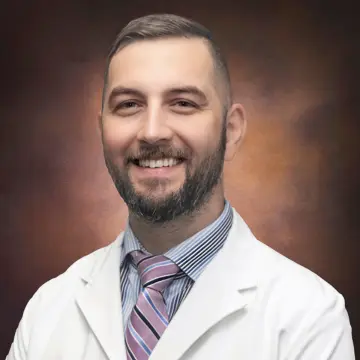
Dr. Singh discusses the nuances of the post-recovery process.
Post-operative recovery is a crucial phase that involves physical therapy and rehabilitation. Recovery from shoulder replacement surgery varies by individual but generally involves several stages, from the initial post-op recovery and pain management to physical therapy to advanced training. Most patients can expect to return to normal activities within a few months, although full recovery may take up to a year.
Understanding the stages of recovery from shoulder surgery can help patients set realistic expectations and prepare for rehabilitation. Here is an outline of the recovery process after shoulder replacement surgery, emphasizing key phases, timelines, and essential care tips.
Immediate Post-Operative Care
After undergoing shoulder replacement surgery, patients will spend time in a recovery room where our medical staff monitors vital signs and manages pain. The immediate post-operative phase is crucial for ensuring a smooth transition to recovery.
Anesthesia Effects: Patients may experience grogginess due to anesthesia. Pain management will begin with medications administered intravenously or orally.
Sling Usage: A shoulder sling is typically used to immobilize the arm and protect the surgical site. Patients should wear the sling as directed by their surgeon, usually for several weeks.
Early Recovery Phase (Weeks 1-2)
During the first two weeks following surgery, the focus is on healing and managing discomfort.
Pain Management: Pain levels will vary; medications prescribed by the surgeon can help manage discomfort. Ice packs can also be beneficial in reducing swelling.
Wound Care: Patients should keep the surgical site clean and dry. Follow-up appointments are necessary to monitor healing and remove stitches or staples.
Limited Mobility: Gentle movements may be encouraged to maintain flexibility without straining the shoulder joint. Physical therapy may begin with passive exercises guided by a therapist.
Intermediate Recovery Phase (Weeks 3-6)
As healing progresses, patients will gradually increase their activity level.
Physical Therapy: A structured rehabilitation program with our CRO physical therapy team will typically start around week three. This may include range-of-motion exercises that help restore mobility while minimizing pain.
Strengthening Exercises: By week six, patients may begin light strengthening exercises to rebuild muscle around the shoulder joint. It’s essential to follow your therapist’s guidance to avoid overexertion.
Daily Activities: Patients can start resuming daily activities but should avoid heavy lifting or overhead movements until cleared by their surgeon.
Advanced Recovery Phase (Weeks 7-12)
The advanced recovery phase focuses on regaining strength and functionality.
Increased Activity: Patients will continue physical therapy with an emphasis on strengthening exercises. Activities such as driving may be resumed, depending on individual progress and comfort levels.
Functional Training: Therapists will introduce functional training, also sometimes referred to as occupational training, that mimics daily tasks, helping patients regain independence in their activities of daily living.
Long-Term Recovery (3 Months and Beyond)
Full recovery from shoulder replacement surgery can take several months, with most patients achieving significant improvements within six months.
Continued Rehabilitation: Many patients continue to work with their CRO physical therapist for several months post-surgery to enhance strength and range of motion.
Monitoring Progress: Regular follow-up appointments with your CRO shoulder specialist are crucial for assessing recovery progress and making any necessary adjustments to rehabilitation plans.
Lifestyle Adjustments: Patients are encouraged to adopt lifestyle changes that support joint health, such as maintaining a healthy weight and engaging in low-impact exercises like swimming or cycling.
Recovery from shoulder replacement surgery is a gradual process that varies by individual. By understanding the stages of recovery—from immediate post-operative care through long-term rehabilitation—patients can better prepare for their journey back to full function.
Engaging with CRO care providers throughout this process ensures that patients receive personalized care tailored to their specific needs, ultimately leading to improved outcomes after shoulder replacement surgery.
For anyone considering a shoulder replacement procedure, consulting with a qualified CRO shoulder specialist can provide valuable insights into what to expect during recovery and how to optimize rehabilitation efforts.
Ready to schedule your shoulder evaluation? Call (252) 443-0400 today or use our online appointment form.
SUCCESS RATES AND OUTCOMES OF SHOULDER REPLACEMENT SURGERY
Shoulder replacement surgery has a high success rate, with studies indicating that approximately 90% of patients experience significant pain relief and improved function after the procedure. Many patients report a dramatic improvement in their quality of life, allowing them to return to activities they enjoy.
Risks and Complications of Shoulder Replacement Surgery
Shoulder replacement surgery, whether total or partial, is a highly effective procedure for relieving pain and restoring function in patients with severe shoulder issues. However, it’s essential to understand the potential risks and complications associated with this surgery. Common complications include dislocation of the artificial joint, infection, and blood vessel or nerve damage during the procedure. Additionally, there is a risk of implant loosening over time, which can lead to further surgeries. Consulting with our shoulder doctors can help you weigh these risks against the benefits of undergoing shoulder replacement surgery to improve your quality of life.
Benefits of Shoulder Replacement Surgery
Total shoulder replacement offers numerous benefits, including significant pain relief, improved range of motion, and enhanced quality of life. Patients often report a marked decrease in discomfort during daily activities, such as reaching for or lifting objects. Furthermore, the surgery can restore the ability to engage in recreational activities, leading to a more active lifestyle.
Why Choose Our Shoulder Surgeons and Specialists in Rocky Mount, NC?
When considering shoulder replacement surgery, it is essential to consult with a qualified shoulder specialist. If you are tired of searching for “shoulder doctor near me” or “shoulder surgeons near me” and want to get started, our orthopedic clinic offers consultations to discuss symptoms, treatment options, and surgical procedures to help you identify your best treatment path. Please reach out to our CRO shoulder experts based in Rocky Mount NC today with your shoulder surgery-related questions.
Ready to schedule your shoulder evaluation? Call (252) 443-0400 today or use our online appointment form.
SHOULDER REPLACEMENT FAQs
Do you need shoulder replacement surgery for a torn labrum?
Shoulder replacement surgery may be a viable option for individuals suffering from a torn labrum, especially if conservative treatments have failed to alleviate pain and restore function. A torn labrum can lead to significant discomfort and limited mobility, making it essential to consult an orthopedic shoulder surgeon or shoulder specialist for a thorough evaluation. Depending on the severity of the injury and the overall condition of the shoulder joint, procedures such as total shoulder replacement or reverse shoulder replacement surgery may be recommended. These surgeries aim to replace damaged components of the shoulder with artificial implants, ultimately improving quality of life by reducing pain and enhancing mobility.
Do you want to learn more about shoulder replacement for a torn labrum?
Reach out to our team today for a consultation >
What happens to rotator cuff muscles after reverse shoulder replacement surgery?
After reverse shoulder replacement surgery, the rotator cuff muscles undergo significant changes. This surgical procedure is often recommended for patients with severe rotator cuff damage, as it repositions the ball and socket joint to enhance stability and function. While the reverse design allows the deltoid muscle to take on a more prominent role in shoulder movement, the rotator cuff muscles may experience atrophy or weakness due to their disuse during recovery.
Patients can expect some loss of rotator cuff function post-surgery; however, many report improved overall shoulder function and reduced pain, making reverse shoulder replacement a viable option for those with irreparable rotator cuff tears. Working closely with our CRO orthopedic shoulder surgeons and engaging in a structured rehabilitation program is crucial for optimizing recovery and regaining strength in the shoulder area.
How much weight can I lift after a shoulder replacement?
After undergoing shoulder replacement surgery, the amount of weight you can lift will depend on several factors, including the type of surgery performed and your individual recovery progress. Generally, patients can expect to gradually increase their lifting capacity as they heal. For those who have had a reverse shoulder replacement surgery, the focus is often on using the deltoid muscle to lift the arm rather than relying on the rotator cuff, which may have been damaged prior to surgery.
Typically, patients can start lifting light weights around 4-6 weeks post-surgery, but it’s crucial to follow your CRO orthopedic shoulder surgeon’s guidance for personalized recommendations. Most individuals can eventually lift overhead and resume normal activities, but full recovery may take several months or longer. Our shoulder specialists will consult with you to ensure a safe and effective rehabilitation process.
How long after shoulder replacement surgery can I drive a car?
After shoulder replacement surgery, including reverse shoulder replacement surgery, most patients can typically resume driving a car within 4 to 6 weeks, depending on their recovery progress and the specific recommendations of their CRO orthopedic shoulder surgeon. It’s crucial to ensure that you have regained adequate strength and range of motion in your shoulder before getting behind the wheel.
Consulting with your CRO shoulder specialist is essential to determine the right time for you to drive safely, as individual recovery times may vary based on factors like your overall health and adherence to rehabilitation protocols. Following your surgeon’s advice will help ensure a smooth transition back to driving after your shoulder replacement surgery.
How long does a shoulder replacement last?
Shoulder replacement surgery can significantly improve quality of life for individuals suffering from severe shoulder pain. Generally, modern shoulder replacements are designed to last between 15 to 20 years, with many patients experiencing substantial pain relief and enhanced mobility during that time. Factors such as the patient’s age, activity level, and adherence to rehabilitation can influence the longevity of the implant. For those considering reverse shoulder replacement surgery, similar durability is expected, making it a viable option for patients with specific conditions. Consulting our orthopedic shoulder surgeons and shoulder specialists can provide personalized insights and recommendations tailored to individual needs. Learn more about other causes of and treatment for shoulder pain.
Ready to learn more about shoulder replacement surgery?
Request an Appointment Online
Carolina Regional Orthopaedics, PA allows you to easily schedule an appointment online 24 hours a day, so you can continue your day with little disruption.
Our Providers
At Carolina Regional Orthopaedics, PA, all of our providers are Board Certified Orthopedic Surgeons or

Bernard P. Kemker, MD

Glenn E. MacNichol, MD
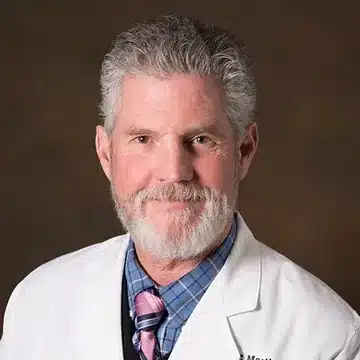
Robert C. Martin, DO
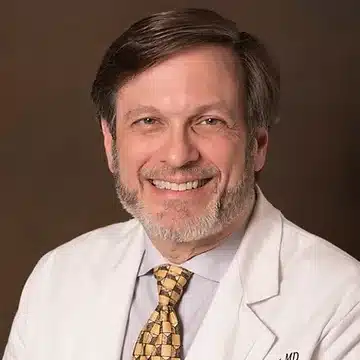
Mark N. Perlmutter, MS, MD

Morgan M. Batchelor, PA-C
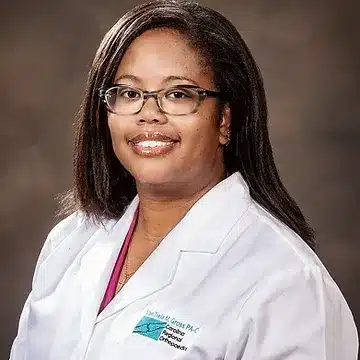
VanTreia M. Gross, PA-C

Paul Kelley, PA-C

William J. Mayo, PA-C
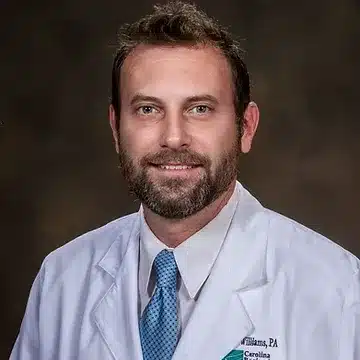
Our Locations
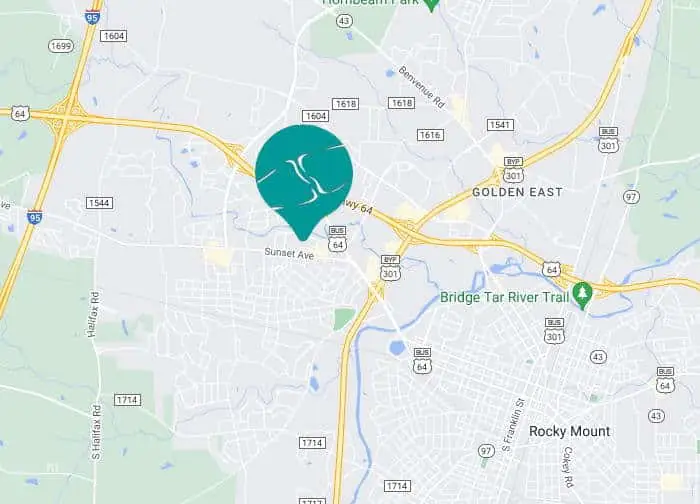
Orthopedics Rocky Mount
Carolina Regional Orthopaedics, PA
Mon-Thurs
Address:
110 Patrick Ct, Rocky Mount, NC 27804
Hours:
Monday- Thursday: 8 AM - 6 PM
Closed
Friday - Sunday
Phone: 252-443-0400
Fax: 252-443-0572
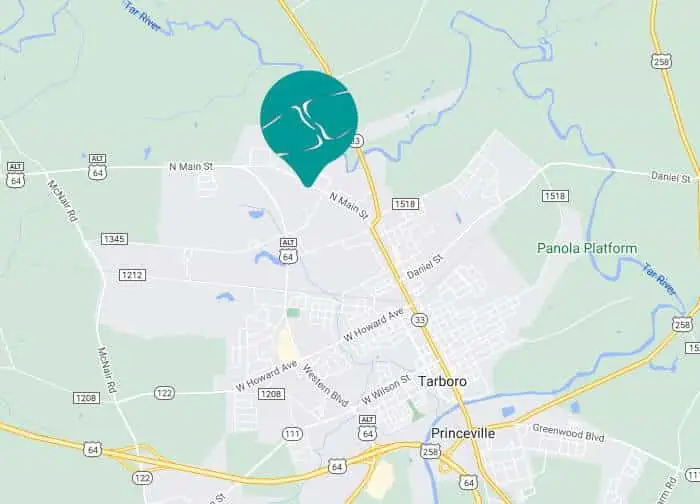
Pain Management Clinic Tarboro
Carolina Regional Orthopaedics, PA
Tuesdays Only
Address:
101 Clinic Dr. Ste. 7A, Tarboro, NC 27886
Hours:
Tuesday: 8 AM - 5 PM
Closed:
Sunday - Monday, Wednesday - Saturday
Phone: 252-443-0400
Fax: 252-443-0572