
Knee Replacement Surgery
Rocky Mount, NC


Where is Your Pain?






Request Appointment
Trusted Knee Replacement Surgeons Serving Rocky Mount
If knee pain is keeping you from the stairs, the golf course, or a full night’s sleep, knee replacement surgery may help you get back to the activities you love. At Carolina Regional Orthopaedics, our orthopedic surgeons perform knee replacement for patients throughout Rocky Mount, Tarboro, and eastern North Carolina, combining modern surgical technique with the follow-up care that shapes a strong recovery.
Knee replacement is one of the most successful and most common procedures in orthopedic medicine. For the right patient, it can dramatically reduce chronic pain, restore stability, and improve day-to-day mobility. This page explains what knee replacement involves, who tends to benefit, what recovery looks like, and how our Rocky Mount team supports you from your first appointment through rehabilitation.
Are You a Candidate for Knee Surgery?
Living with knee pain can drastically affect your quality of life. Everyday activities, such as walking, climbing stairs, or even standing for short periods, can become increasingly difficult and painful. Whether the pain is due to arthritis, an old injury, or another condition, the constant discomfort can start to dominate your life.
If you’ve tried various non-surgical treatments like medications, physical therapy, or even lifestyle changes with little to no relief, it might be time to consider knee surgery. Depending on the severity of your condition, you could be a candidate for a partial knee replacement or total knee replacement, or a related surgical option. Knee surgery is a well-established and effective way to alleviate pain, improve your knee’s function, and help you return to the activities you enjoy.
At Carolina Regional Orthopaedics in Rocky Mount, NC, we understand how debilitating knee pain can be. Our specialized team is here to help you explore all of your knee pain treatment options in order to determine if knee surgery is the right choice for you. Whether you’re just starting to explore surgical options or have already decided to move forward, our experienced knee surgeons can provide more information or get you started. Contact us today – by phone or use our quick and easy appointment request form.
What is Knee Replacement Surgery?
Knee replacement surgery is a procedure designed to relieve chronic knee pain and restore mobility. If you’re experiencing severe pain when bending your knee, walking, or even resting, and not experiencing relief through nonsurgical methods, knee replacement surgery may be your best solution. This surgery involves removing the damaged parts of the knee joint and replacing them with artificial components, allowing for smoother movement and significantly reducing pain.
One of the key benefits of knee replacement surgery is the substantial pain relief it offers. Many patients who undergo this procedure find that their knee pain is significantly reduced or completely eliminated, allowing them to return to activities they once enjoyed but had to give up due to pain. Whether you’re dealing with pain behind the knee, inner knee pain, or persistent discomfort when bending, knee replacement surgery can make a dramatic difference.
In addition to pain relief, knee replacement surgery can also restore function to the knee joint. For those suffering from severe knee pain, this surgery can be life-changing.
Types of Knee Replacement Surgeries
Knee replacement surgery is not a one-size-fits-all procedure. Depending on the severity of your knee condition, the underlying cause of your pain, and your overall health, different types of knee surgeries may be recommended. At Carolina Regional Orthopaedics, we offer a range of surgical options tailored to meet the specific needs of each patient, ensuring the best possible outcomes.
Total Knee Replacement Surgery
Total knee replacement surgery, also known as total knee arthroplasty, is one of the most common and effective procedures for relieving severe knee pain. This surgery involves replacing the entire knee joint with artificial components. It’s typically recommended for patients with advanced arthritis or significant joint damage that affects multiple parts of the knee. The goal of total knee replacement is to eliminate pain, restore function, and improve the quality of life by providing a stable and smooth-moving joint.
Partial Knee Replacement
In cases where only a portion of the knee joint is damaged, a partial knee replacement may be a suitable option. This surgery focuses on replacing just the affected part of the knee, preserving as much of the natural joint as possible. Partial knee replacement is often recommended for patients with arthritis limited to one area of the knee, such as the inner or outer compartments. The benefits of this surgery include a quicker recovery time and less postoperative pain compared to total knee replacement.
Tourniquet-Less Knee Replacement
At Carolina Regional Orthopaedics, we offer tourniquet-less knee replacement techniques as an advanced option for both total and partial knee replacements. This approach minimizes or eliminates the use of a traditional tourniquet during surgery, which can result in less postoperative thigh pain, reduced swelling, and a more comfortable early recovery for many patients.
By maintaining better blood flow throughout the procedure, tourniquet-less knee replacement often allows patients to begin physical therapy sooner with less overall discomfort compared to traditional methods. Dr. Kemker and our joint replacement team tailor this technique to each patient’s unique needs, anatomy, and health profile.
Contact our team today to schedule a consultation and find out if tourniquet-less knee replacement is the right choice for you.
Why Choose CRO in Rocky Mount for Your Knee Replacement Surgery?
When it comes to knee replacement surgery, choosing the right provider is crucial for ensuring the best outcomes and a smooth recovery. Carolina Regional Orthopaedics (CRO) stands out as a trusted choice for residents of Rocky Mount and across Eastern North Carolina. As a leading provider of comprehensive orthopedic and pain management care, CRO is dedicated to helping patients overcome debilitating knee pain and regain their mobility with the help of our cross-disciplinary medical team with the capability to provide comprehensive care, from pain management to surgery to post-surgical recovery, including physical therapy.
One of the key reasons patients choose CRO for knee replacement, and other joint replacement procedures, is for the expertise of Dr. Kemker, our Director of Joint Replacement Surgery. Since joining Carolina Regional Orthopaedics in 2020, Dr. Kemker has become a vital part of our team, specializing in orthopedic surgery and adult reconstruction. Dr. Kemker is particularly renowned for his work in knee replacement surgery, focusing on reducing joint pain and restoring mobility for his patients. Whether you’re experiencing pain on the inside of your knee, behind your knee, general knee pain when walking or bending, pain from an injury, or another medical issue, Dr. Kemker’s expertise in treating advanced reconstruction problems, such as fractures and failed knee replacements, ensures you receive the highest standard of care.
At CRO, we understand how debilitating knee pain can be and the importance of returning to the activities you love, whether it’s playing sports, gardening, or simply enjoying a walk. Dr. Kemker and the entire team at Carolina Regional Orthopaedics are committed to helping you achieve the best possible results from your knee surgery, so you can get back to living your life to the fullest.
When to Consider Knee Replacement Surgery
Occasionally, a severe knee injury may warrant a rapid surgical intervention, but otherwise, one of the most telling signs that knee replacement surgery might be necessary is chronic knee pain that interferes with your ability to perform everyday tasks. Whether it’s pain when walking, climbing stairs, bending your knee, or even while resting, this constant discomfort can significantly reduce your quality of life. If you’ve tried other treatments such as medications, physical therapy, or injections without finding lasting relief, surgery could be the next step.
Here are other signs that it may be time to explore surgery. If these apply to you, please reach out to our team today by phone or by form.
Pain that Persists Despite Non-Surgical Treatments
Before considering knee replacement surgery, most patients try a variety of non-surgical treatments to manage their pain. These might include anti-inflammatory medications, cortisone injections, or the use of walking aids. If these methods no longer provide adequate relief and your pain continues to worsen, it’s a strong indication that surgery might be necessary. For many patients, knee replacement offers the best chance of long-term pain relief when other treatments have failed.
Decreased Mobility and Function
As knee pain progresses, you may find it increasingly difficult to move your knee as freely as you once did. Stiffness, swelling, and a reduced range of motion are common signs that the joint is deteriorating. If you’re experiencing difficulty performing simple tasks such as getting out of a chair, walking short distances, or even standing for brief periods, knee replacement surgery may help restore your mobility and independence.
Severe Joint Damage from Arthritis or Injury
Arthritis, particularly osteoarthritis, is one of the leading causes of knee pain and joint damage. Over time, the cartilage in the knee wears down, leading to bone-on-bone contact, which can cause severe pain and deformity.
Previous injuries to the knee, such as fractures or ligament tears, can result in long-term damage that might necessitate surgery.
Difficulty Sleeping Due to Knee Pain
Knee pain that persists even when you’re not active can be particularly debilitating. If you’re experiencing pain that keeps you awake at night or discomfort that doesn’t improve with rest, it’s a sign that your knee issues are becoming severe.
Suffering from these symptoms and ready to get started? Reach out today!
Preparing for Your Knee Replacement Surgery
The first step in preparing for your knee replacement surgery is scheduling a consultation with our experienced team at Carolina Regional Orthopaedics. During this consultation, you’ll meet with Dr. Kemker or another specialized CRO orthopedic surgeon who will evaluate your knee condition, review your medical history, and discuss your symptoms in detail. This assessment helps determine whether knee replacement surgery is the right option for you and what specific type of surgery will best address your needs.
You may also undergo several pre-operative tests and assessments to ensure surgery is right for you. These may include blood tests, X-rays, and other imaging studies to provide a clear view of the extent of your knee damage. Additionally, our team will discuss your current medications and any necessary adjustments before surgery, as well as any other medical conditions that need to be managed.
Physical Preparation
Physical preparation is also crucial as you get ready for knee replacement surgery. Strengthening the muscles around your knee and improving your overall fitness can contribute to a quicker recovery. Our team may recommend specific exercises for knee pain that you can do in the weeks leading up to your surgery. These exercises help maintain your joint’s flexibility and strengthen the supporting muscles, which can make your recovery easier and more effective.
If you use walking aids like a cane or walker, now is the time to ensure they are in good condition and that you’re comfortable using them. You may need to rely on these aids during the initial stages of your recovery, so practicing with them beforehand can be helpful.
Home Preparation
Preparing your home for your return after surgery is another important step. Arrange your living space to make it as comfortable and accessible as possible during your recovery. This might involve setting up a recovery area on the first floor to avoid stairs, placing frequently used items within easy reach, and ensuring you have a stable chair with arms for support.
You may also want to stock up on essentials like groceries, medications, and any other supplies you’ll need in the weeks following your surgery. Preparing meals in advance or arranging for help with cooking and household chores can also make your recovery period more manageable.
Recovery and Rehabilitation Post-Surgery
Recovery from knee replacement surgery varies from patient to patient, but it generally follows a structured timeline designed to gradually restore your knee’s function. Immediately after surgery, you’ll spend some time in the hospital where our team will closely monitor your progress. Pain management will be a key focus during this initial phase, and you’ll begin moving your knee and walking with the help of assistive devices under the guidance of our medical staff.
Once you’re discharged from the hospital, your recovery will continue at home. This period typically involves a combination of rest, gradual increases in activity, and adherence to a rehabilitation plan. Following your surgeon’s instructions and attending all follow-up appointments are essential to monitor your progress and make any necessary adjustments to your recovery plan.
Rehabilitation and Physical Therapy
Rehabilitation is a critical aspect of your recovery, and at Carolina Regional Orthopaedics, we offer specialized outpatient physical therapy to help you regain your mobility and strength. Our experienced physical therapists will work with you to develop a tailored rehabilitation program that aligns with your specific needs and goals. This program typically includes exercises to improve the range of motion, strengthen the muscles around your knee, and enhance your overall balance and coordination.
During your physical therapy sessions, you’ll engage in a variety of exercises and activities designed to restore function to your knee joint. These may include:
- Strengthening exercises: Targeting the muscles in your legs, particularly the quadriceps and hamstrings, to support your knee and improve stability.
- Flexibility exercises: Focusing on stretching and gentle movements to increase the range of motion in your knee.
- Balance and coordination exercises: Helping you regain control over your movements and reduce the risk of falls.
Long-Term Recovery and Beyond
While the initial weeks after surgery are critical for laying the foundation for recovery, it’s important to remember that full recovery can take several months. Most patients are able to resume normal activities within 6 to 12 weeks, though more strenuous activities may require additional time. By adhering to your rehabilitation plan and staying committed to your recovery, you’ll gradually regain the strength and function needed to enjoy an active, pain-free lifestyle.
Ready to seriously explore your knee replacement options? Reach out to our team of knee experts today.
At Carolina Regional Orthopaedics, we are committed to your long-term success. Our outpatient physical therapy services, combined with personalized care and support, ensure that you have everything you need to recover fully from your knee replacement surgery. Whether your goal is to return to sports, gardening, or simply moving without pain, we’re here to help you every step of the way.
Knee Replacement FAQs
How Long Does Knee Replacement Surgery Take?
The duration of knee replacement surgery typically ranges from one to two hours, depending on the complexity of the procedure. Factors that can influence the surgery time include the type of knee replacement being performed. While the surgery itself may only take a couple of hours, you should also plan for additional time in the operating room for anesthesia and post-operative monitoring. After the surgery, you’ll spend some time in a recovery room before being moved to your hospital room.
How long does a knee replacement last?
Knee replacement surgery, whether a partial knee replacement or a full knee replacement, is designed to provide long-lasting relief from knee pain and improve mobility. On average, a knee replacement can last between 15 to 20 years. However, the longevity of the replacement can vary based on factors such as the patient’s activity level, weight, and overall health. Consulting with our knee specialists can provide personalized insights into how long your knee replacement might last based on your specific circumstances. Regular follow-ups with your CRO orthopedic surgeon are essential to monitor the condition of the knee replacement over time.
What are the dangers associated with delaying knee replacement surgery?
Delaying knee replacement surgery can lead to several serious complications. Patients who postpone this procedure may experience worsening pain, decreased mobility, and a reduced quality of life. As the knee joint continues to deteriorate, it can cause further damage to surrounding tissues and bones, potentially making the eventual surgery more complex and challenging. Additionally, prolonged delay may result in muscle weakness and loss of flexibility, which can impact post-surgery recovery and rehabilitation outcomes. In some cases, waiting too long for knee replacement surgery can even lead to deformities in the knee joint, making it harder to achieve optimal results during the procedure. It’s important for patients considering knee arthroplasty or partial knee arthroplasty to consult with our qualified knee specialists as soon as possible to determine the best timing for their individual needs and avoid these potential risks.
Do I need a referral to see a knee specialist in Rocky Mount?
Referral requirements depend on your insurance plan. You are welcome to contact Carolina Regional Orthopaedics directly, and our staff can help you understand your coverage and next steps.
What is the difference between total and partial knee replacement?
A total knee replacement resurfaces all three compartments of the joint — the inner side, the outer side, and usually the underside of the kneecap — with metal and plastic implants. It is the usual choice when arthritis or damage involves most of the knee.
A partial knee replacement resurfaces only the worn compartment and leaves the healthy cartilage and ligaments in place. Recovery is often quicker, but you only qualify if imaging and the exam show the rest of the knee is still sound.
At Carolina Regional Orthopedics, our surgeons will recommend which procedure is right after examining the knee and reviewing X-rays.
Schedule an Appointment Online
Carolina Regional Orthopaedics, PA allows you to easily schedule an appointment online 24 hours a day, so you can continue your day with little disruption.
Our Providers
At Carolina Regional Orthopaedics, PA, all of our providers are Board Certified Orthopedic Surgeons or

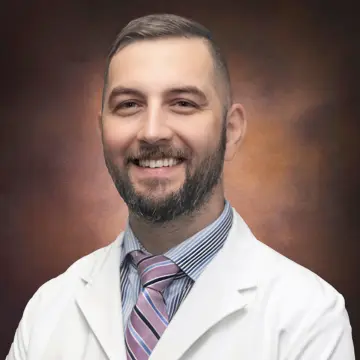
Bernard P. Kemker, MD

Glenn E. MacNichol, MD

Robert C. Martin, DO

Mark N. Perlmutter, MS, MD

Morgan M. Batchelor, PA-C

VanTreia M. Gross, PA-C

Paul Kelley, PA-C

William J. Mayo, PA-C

Our Locations

Orthopedics Rocky Mount
Carolina Regional Orthopaedics, PA
Mon-Thurs
Address:
110 Patrick Ct, Rocky Mount, NC 27804
Hours:
Monday- Thursday: 8 AM - 6 PM
Closed
Friday - Sunday
Phone: 252-443-0400
Fax: 252-443-0572

Pain Management Clinic Tarboro
Carolina Regional Orthopaedics, PA
Tuesdays Only
Address:
101 Clinic Dr. Ste. 7A, Tarboro, NC 27886
Hours:
Tuesday: 8 AM - 5 PM
Closed:
Sunday - Monday, Wednesday - Saturday
Phone: 252-443-0400
Fax: 252-443-0572