
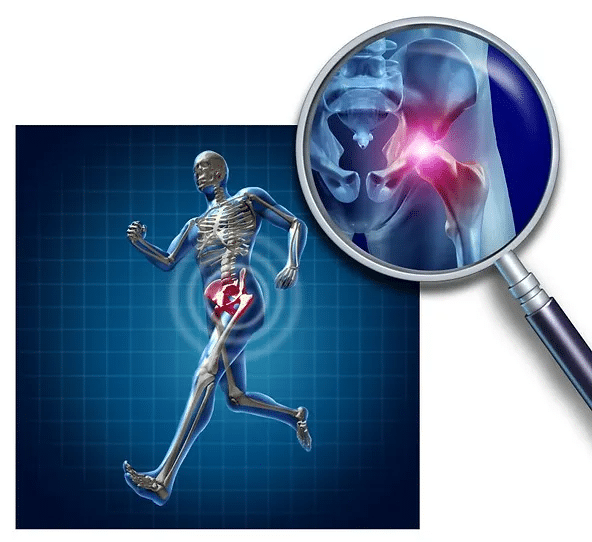
- Arthritis – Rheumatoid arthritis is an inflammation that causes pain and stiffness. Osteoarthritis is the degeneration of cartilage resulting in bone rubbing against bone, causing pain.
- Tendonitis – Inflammation or irritation of the tendons.
- Injury – Sprains or strains of a ligament, tendon, or muscle near the joint or a bone fracture.
If pain is not relieved with non-surgical treatment, joint replacement surgery should be considered. Of course, with any procedure, there are risks. Complications from the surgery are possible, including cardiovascular issues, like blood clots.
The most frequent joint replacement procedures completed by our CRO surgeons include:
Other body areas where surgery might be prescribed, but less frequently include elbows, hands and wrists; feet and ankles.
It is also worth noting that total joint replacement for hips and knees will require a fair bit of preparation and recovery. Therefore, those considering such a procedure are advised to maintain a proper weight to reduce joint stress, and pursue physical therapy both before and after the surgical procedure.
Discussing the pros and cons of joint replacement surgery with your doctor and surgeon is a must. In addition, knowing what to expect before and after surgery will bring peace of mind, which positively influences the healing process.
