
Impingement Syndrome

Shoulder impingement syndrome is a common cause of shoulder pain. It occurs when there is impingement of tendons or bursa in the shoulder from bones of the shoulder. Overhead activity of the shoulder, especially repeated activity, is a risk factor for shoulder impingement syndrome. Examples include: painting, lifting, swimming, tennis, and other overhead sports. Other risk factors include bone and joint abnormalities.
With impingement syndrome, pain is persistent and affects everyday activities. Motions such as reaching up behind the back or reaching up overhead to put on a coat or blouse, for example, may cause pain.
Over time, impingement syndrome can lead to inflammation of the rotator cuff tendons (tendinitis) and bursa (bursitis). If not treated appropriately, the rotator cuff tendons can start to thin and tear.
SHOULDER ANATOMY
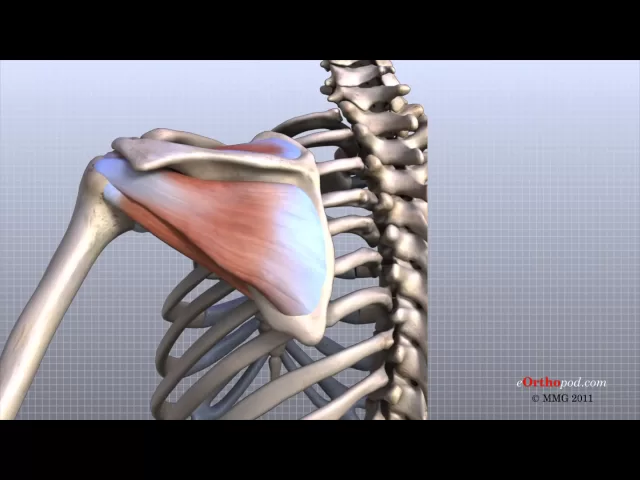
DISEASE EXPLAINED

SYMPTOMS
The typical symptoms of impingement syndrome include difficulty reaching up behind the back, pain with overhead use of the arm and weakness of shoulder muscles.
If tendons are injured for a long period of time, the tendon can actually tear in two, resulting in a rotator cuff tear. This causes significant weakness and may make it difficult for the person to elevate his or her arm. Some people can have rupture of their biceps muscle as part of this continuing impingement process.
CAUSES
Many cases of shoulder impingement are caused by overuse. Repeated use of the shoulder can make the tendons in your shoulder swell, leading them to “catch” on your upper shoulder bone. In other cases, there’s no known cause.
TREATMENT

TREATMENT OPTIONS
Treating shoulder impingement syndrome depends on the severity of the condition and how long symptoms have been present. To determine the best approach, your doctor will perform a thorough physical examination of your shoulder and may order imaging such as X-rays or an MRI.
In most cases, impingement responds well to non-surgical treatment. This typically includes activity modification to reduce overhead use, anti-inflammatory medications, and a structured physical therapy program focused on improving rotator cuff strength and shoulder mechanics. Corticosteroid injections may also be used to decrease inflammation in the subacromial space.
When conservative measures do not provide sufficient improvement after several months, surgery may be recommended. The primary surgical option is arthroscopic subacromial decompression. During this minimally invasive procedure, the surgeon removes bone spurs and inflamed bursal tissue to create additional space for the tendons to move freely. If a rotator cuff tear is also present, it can often be repaired at the same time.
Regardless of whether surgery is needed, physical therapy is an important part of recovery. A therapist will guide you through exercises designed to restore strength, flexibility, and full range of motion in the shoulder.
Learn more about our shoulder pain treatment in Rocky Mount.
DISCLAIMER
- All of the opinions expressed within the educational information delivered within the provided links are those of their authors and not necessarily those of either your treating doctor or CRO.
- This site is for educational purposes only!!
- Copyright Disclaimer under Section 107 of the copyright act 1976, allowance is made for fair use for purposes such as criticism, comment, news reporting, scholarship, and research. Fair use is a use permitted by copyright statutes that might otherwise be infringing. Non-profit, educational, or personal use tips the balance in favor of fair use.