
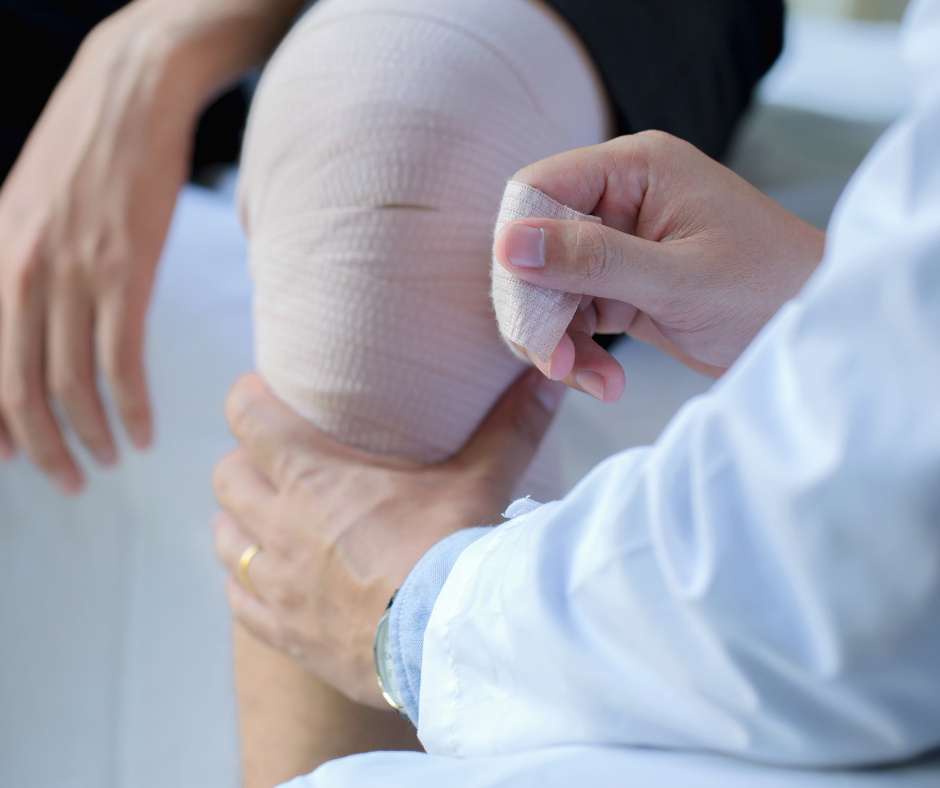
Living with diabetes requires careful attention to your health, including the way your body heals. One of the most serious complications many people face is the development of wounds that do not heal properly, often on the feet or lower legs. Without proper treatment, these wounds can lead to infections or long-term health issues. At Carolina Regional Orthopaedics (CRO), our providers in Rocky Mount and Tarboro offer advanced solutions to help patients manage diabetic wounds safely and effectively. To learn more about our practice, visit the CRO homepage.
Why Diabetic Wounds Require Specialized Care
Diabetes can affect blood flow and nerve function, particularly in the lower extremities. This makes it harder for the body to heal even minor cuts, blisters, or sores. Because of these challenges:
- Infections develop more easily. Reduced circulation slows healing, creating an environment where bacteria can thrive.
- Nerve damage (neuropathy) limits pain signals. Many patients may not notice a wound until it becomes serious.
- Untreated wounds may lead to complications. In severe cases, uncontrolled wounds can result in hospitalization or even the risk of amputation.
Receiving care from an orthopedic doctor in Rocky Mount, NC who understands the complexity of diabetic wounds is key to protecting your long-term health.
Common Wound Care Approaches for Diabetic Patients
1. Debridement
This process removes dead or infected tissue from the wound, allowing healthy tissue to grow. Regular debridement encourages faster healing and reduces infection risk.
2. Specialized Dressings
Different wound dressings may be used depending on the severity and type of wound. Options include moisture-retentive dressings, antimicrobial materials, or foam padding to protect the area.
3. Offloading
Because pressure slows healing, offloading techniques such as special footwear, casts, or braces reduce strain on the wound. This is especially important for diabetic foot ulcers.
4. Infection Control
If signs of infection are present, antibiotics may be prescribed. Careful monitoring ensures the wound does not worsen or spread.
5. Advanced Therapies
In some cases, your orthopedic team may recommend additional therapies such as negative pressure wound therapy or biologic skin substitutes to accelerate healing.
When to Seek Immediate Care
Not every wound requires urgent treatment, but for patients with diabetes, it’s best to err on the side of caution. You should see a provider right away if you notice:
- Wounds that do not begin to heal within a few days
- Increasing redness, swelling, or warmth around the wound
- Drainage, foul odor, or signs of infection
- Pain or numbness worsening in the affected area
Prompt care from an orthopedic specialist in Rocky Mount or Tarboro helps prevent small wounds from becoming serious health risks. If you’re unsure whether to wait or be seen quickly, our orthopedic urgent care clinic offers same-day access to providers who can evaluate and treat wounds promptly.
Preventing Diabetic Wounds
While treatment is essential, prevention plays an equally important role in managing diabetic health. Strategies include:
- Daily foot checks to look for cuts, blisters, or changes in skin condition.
- Proper footwear that reduces pressure points and protects against injury.
- Blood sugar management to support the body’s natural healing processes.
- Routine visits with an orthopedic doctor in Tarboro or Rocky Mount, NC to monitor circulation and nerve health.
Supportive Orthopedic Care in Rocky Mount and Tarboro
At CRO, our team provides comprehensive wound care and ongoing support for diabetic patients. By combining preventive strategies, advanced treatments, and compassionate care, we help patients improve healing outcomes and protect their overall quality of life.
If you or a loved one is managing diabetes and struggling with wound healing, don’t wait to get help. Schedule your appointment today through our contact page.
