
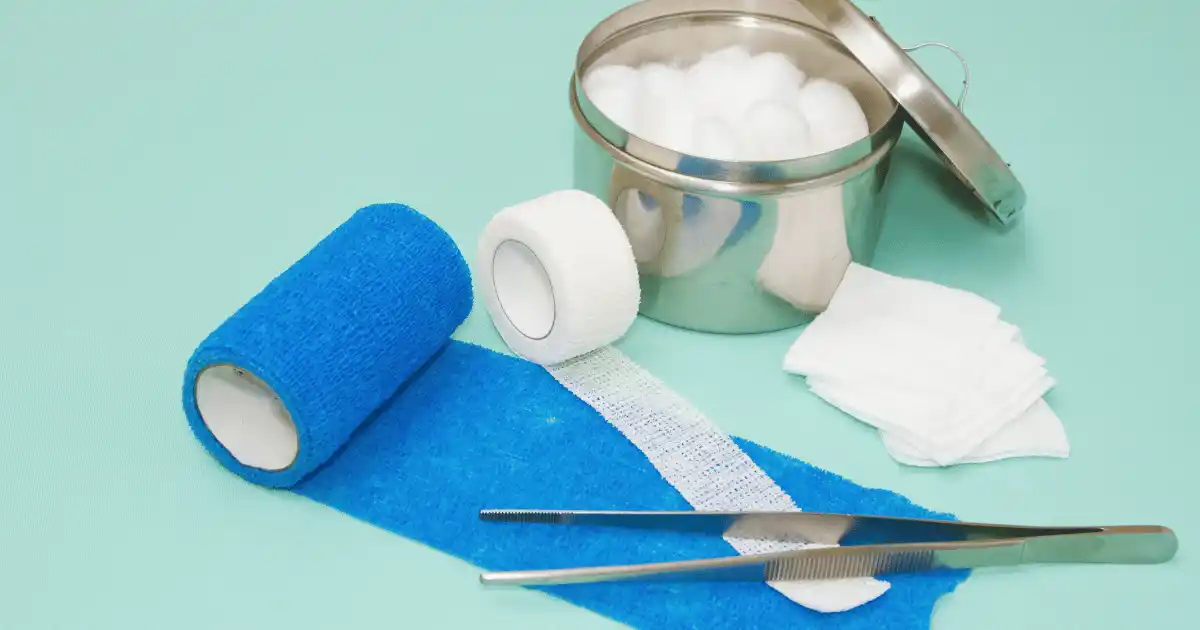
Proper wound care is essential for preventing infection, supporting healthy tissue repair, and protecting long-term mobility. Whether a wound is the result of a fall, surgical procedure, or a chronic condition, understanding how to care for it at home plays a major role in recovery. At Carolina Regional Orthopaedics, our team provides evidence-based wound management for patients in Rocky Mount and Tarboro, helping them heal safely and avoid complications.
If you or a loved one is dealing with a new or slow-healing wound, these tips can help improve outcomes and reduce the risk of long-term issues.
Why Proper Wound Care Matters
The body begins repairing tissue immediately after an injury, but wounds that are not protected or cleaned correctly can worsen or become infected. This is especially true for patients with diabetes, vascular conditions, or underlying orthopedic injuries. Working with an orthopedic doctor in Rocky Mount, NC ensures the wound receives appropriate care and any deeper structural issues are identified early.
Tips for Encouraging Healthy Wound Healing
Clean the Wound Gently
Debris and bacteria can delay healing, so it’s important to clean the wound with mild soap and water unless your provider recommends otherwise. Avoid harsh solutions such as hydrogen peroxide or alcohol, which can irritate tissue and slow the healing process.
Maintain Moisture Balance
Wounds generally heal better when kept slightly moist, not overly wet or completely dry. Using the right dressing helps maintain the ideal environment for tissue growth and protects the wound from contaminants.
Use the Appropriate Dressing
Your provider may recommend bandages, foam dressings, hydrogel pads, or antimicrobial coverings based on the type of wound and its location. A proper dressing prevents infection, reduces friction, and supports consistent healing.
Monitor for Infection
Watch for redness, warmth, swelling, foul odor, drainage, or increasing pain. These symptoms may indicate infection and should be addressed promptly by an orthopedic specialist.
Limit Pressure and Overuse
Using or stretching the injured area too early can reopen the wound or slow healing. Your provider may recommend temporary rest, immobilization, or avoiding certain movements until the tissue is stable.
Support Healing Internally
Good nutrition, proper hydration, and blood sugar control (for patients with diabetes) are essential for wound repair. Protein intake, vitamin support, and consistent hydration all contribute to faster recovery.
Advanced Wound Care Options
Some wounds require more specialized treatment to heal properly. Depending on the cause and severity, your orthopedic provider may recommend:
- Debridement to remove damaged or infected tissue
- Advanced dressings that promote optimal tissue growth
- Pressure offloading devices or bracing
- Medication or antibiotics for infection control
- Ongoing monitoring for chronic or diabetic wounds
Patients who need structured medical support can explore our comprehensive wound care services, which include evaluation, treatment, and personalized management plans for a wide range of wound types.
Special Considerations for Diabetic Wounds
Diabetic patients face unique challenges due to reduced sensation and circulation. Slow healing, unnoticed injuries, and infection risk make early evaluation especially important. To learn more about diabetic wound management and treatment options, review our guide on diabetic wound care treatment.
When to Seek Professional Care
Some wounds can be managed at home, but others require medical evaluation—especially when:
- The wound does not improve after several days
- Redness, swelling, or warm skin develops around the area
- Pus, odor, or drainage appears
- You experience fever or chills
- There is numbness or decreased mobility in the affected area
Early treatment ensures faster healing and reduces the likelihood of complications, particularly for patients with diabetes or chronic conditions.
Long-Term Recovery and Mobility
As the wound heals, your orthopedic team may recommend light stretching, mobility exercises, or strengthening therapy to support full recovery. Protecting the area from friction, sun exposure, and reinjury is also important for minimizing scarring and preserving mobility.
Get Expert Wound Care Support in Rocky Mount and Tarboro
Proper wound care is essential for healing, comfort, and long-term health. If you’re managing a new wound or noticing signs of delayed healing, our orthopedic team is here to help. Schedule an appointment with our wound care specialists to receive personalized evaluation and treatment.
