
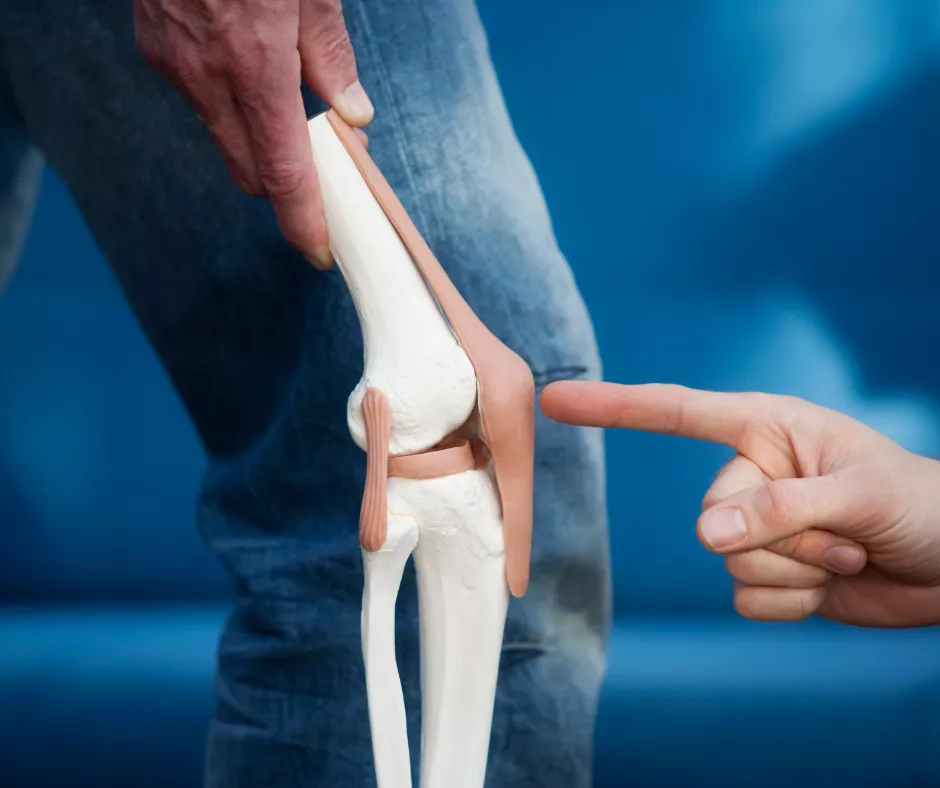
If you’ve torn your meniscus, you’re probably wondering whether surgery is necessary or if physical therapy can help instead. The answer depends on various factors, including the type of tear, your symptoms, and your activity level. At Carolina Regional Orthopaedics, we guide patients through all treatment options, from non-surgical care to advanced interventions, to ensure the best outcome for each individual.
When Is Surgery Necessary for a Meniscus Tear?
Not every meniscus tear requires surgery. If your knee is stable and you don’t experience locking, a conservative approach, rest, ice, and physical therapy, can often be effective.
That said, certain tear types and symptoms guide surgeons toward recommending surgery:
Tear Type and Location Matter
- Bucket-handle tears, a displaced form of longitudinal tear, tend to block knee movement and usually require prompt repair.
- Tears located in the outer “red zone” (which has blood supply) are more likely to heal if repaired early.
- Degenerative tears, common in older patients, often occur in poorly vascularized areas and may respond better to therapy than surgery.
Mechanical Symptoms and Instability
If your knee locks, catches, swells repeatedly, or causes severe pain, surgery may be needed to alleviate these symptoms and prevent further damage.
When Physical Therapy May Be Enough
For many patients—especially those with stable tears or degenerative meniscus injuries, starting with non-surgical care is a safe, effective option. Physical therapy focuses on reducing inflammation, restoring function, and protecting the knee long-term.
Studies show that patients with degenerative meniscal tears often experience outcomes similar to those who undergo minor surgery. That means avoiding surgical risks while still improving knee function.
Typical non-surgical care includes:
- R.I.C.E. protocol: Rest, Ice, Compression, Elevation for swelling and pain relief.
- Medication: NSAIDs or acetaminophen to reduce inflammation.
- Targeted physical therapy: Builds strength, flexibility, balance, and proprioception.
When Surgery Becomes the Best Option
If conservative treatment fails or your knee presents specific mechanical problems, surgery may be recommended. Options include:
- Arthroscopic Meniscus Repair: Best for younger patients, tears in well-vascularized zones, and stable tears.
- Partial Meniscectomy: Removing damaged fragments when repair is not feasible.
Post-surgery rehabilitation is critical. Meniscal repair typically involves restricted weight-bearing and a multi-phase return to activity over several months. Full recovery from a meniscectomy is generally faster, though risks like osteoarthritis increase when tissue is removed.
Surgical vs. Non-Surgical: A Shared Decision
The ideal treatment depends on multiple factors: your age, activity level, tear characteristics (type, size, location), and whether therapy has helped. At Carolina Regional Orthopaedics, we focus on evidence-based care and shared decision-making to tailor treatment to your goals.
Visit our orthopedic physical therapy page to explore rehabilitation options, or schedule a consultation to discuss what’s best for your knee health.